Since the emergence of Additive Manufacturing (AM) in the last century, the technology has evolved rapidly, offering increasingly advanced ways to transform digital designs into physical products. Today, even metal 3D printing is a mature and reliable process, capable of producing complex geometries that were once impossible with traditional manufacturing methods.
Because of these advances, 3D printing is now present across virtually every industry—fashion, high-precision medical devices, aerospace, and, increasingly, the military sector. What began as an experimental manufacturing alternative has become an indispensable tool for innovation, speed, and adaptability in modern defense operations.
3D Printing of Military Buildings and Facilities
Military operations often require fast, reliable infrastructure in challenging environments. Beyond permanent headquarters, armed forces frequently need to deploy temporary facilities such as barracks, shelters, or bunkers in strategic locations. This operational need has driven strong interest in large-scale 3D printing for construction.
In the United States, the Marine Corps Systems Command (MCSC) created a dedicated Additive Manufacturing Team to explore these capabilities. In collaboration with the I Marine Expeditionary Force, the team successfully used concrete 3D printing to build a 500-square-foot barracks hut on-site in just 40 hours—a task that previously required five days and a team of ten Marines.
In January 2019, the MCSC partnered with the 1st Marine Logistics Group at Camp Pendleton, California, to 3D print a reinforced concrete bridge directly on location. To support such projects, they developed the Automated Construction of Expeditionary Structures (ACES) printer, which is expected to become part of standard military engineering equipment.
More recently, the MCSC and the 7th Engineer Support Battalion successfully printed a concrete bunker using a three-inch nozzle—an increase from the two-inch nozzles used previously. Future tests aim to scale up to four-inch nozzles, further increasing construction speed and structural capability.
3D-Printed Military Accessories and Functional Parts
Applications of additive manufacturing in the military extend well beyond buildings. On the battlefield, soldiers face unpredictable challenges where rapid replacement of equipment can be mission-critical. 3D printing enables on-demand production of essential parts at minimal cost.
A clear example comes from cold-weather missions, where snowshoe clips are essential. If a clip breaks during an operation, the mission can be compromised. The Additive Manufacturing Team developed a 3D-printed snowshoe clip costing approximately five cents per unit—providing a fast, low-cost solution in remote environments.
Another innovation involves 3D-printed insulated radio covers. Military radios powered by lithium-ion batteries tend to lose performance in cold conditions. These custom covers help maintain battery temperature, extending operational life during missions in extreme climates.
The same team has also designed and tested a stainless-steel 3D-printed impeller for the M1A1 Abrams tank. Tested for over 100 hours, this component can be produced in less than a week—demonstrating the strategic advantage of metal additive manufacturing for rapid deployment and maintenance.
Final Thoughts
3D printing has firmly established its role in modern military operations, improving speed, flexibility, and resilience across construction, logistics, and equipment maintenance. While this article highlights only a few examples, it is clear that additive manufacturing will continue to shape the future of defense technology.
Historically, many civilian innovations have originated in military applications. Technologies such as large-scale concrete 3D printing, initially developed for rapid deployment, may soon redefine affordable and reliable civilian housing.
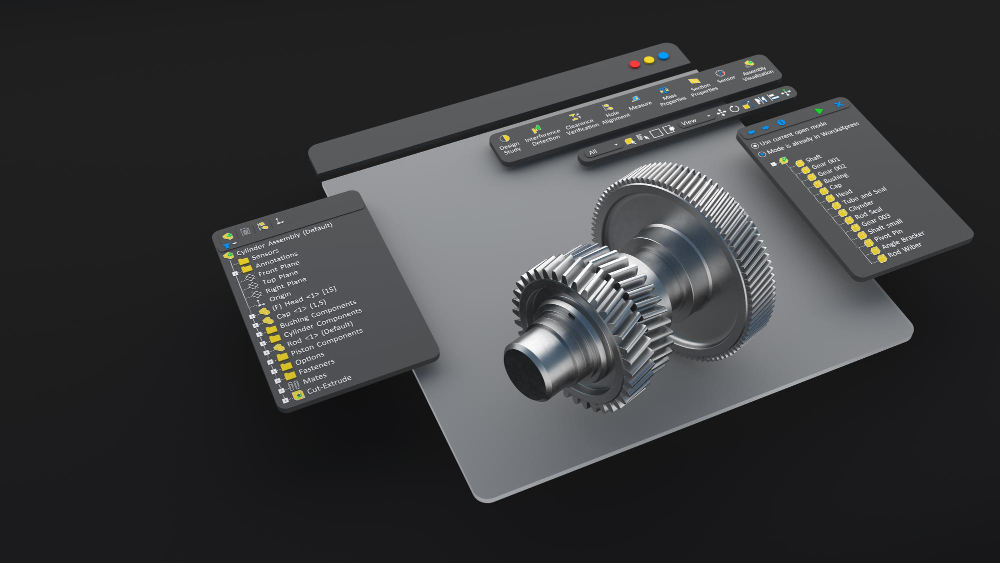
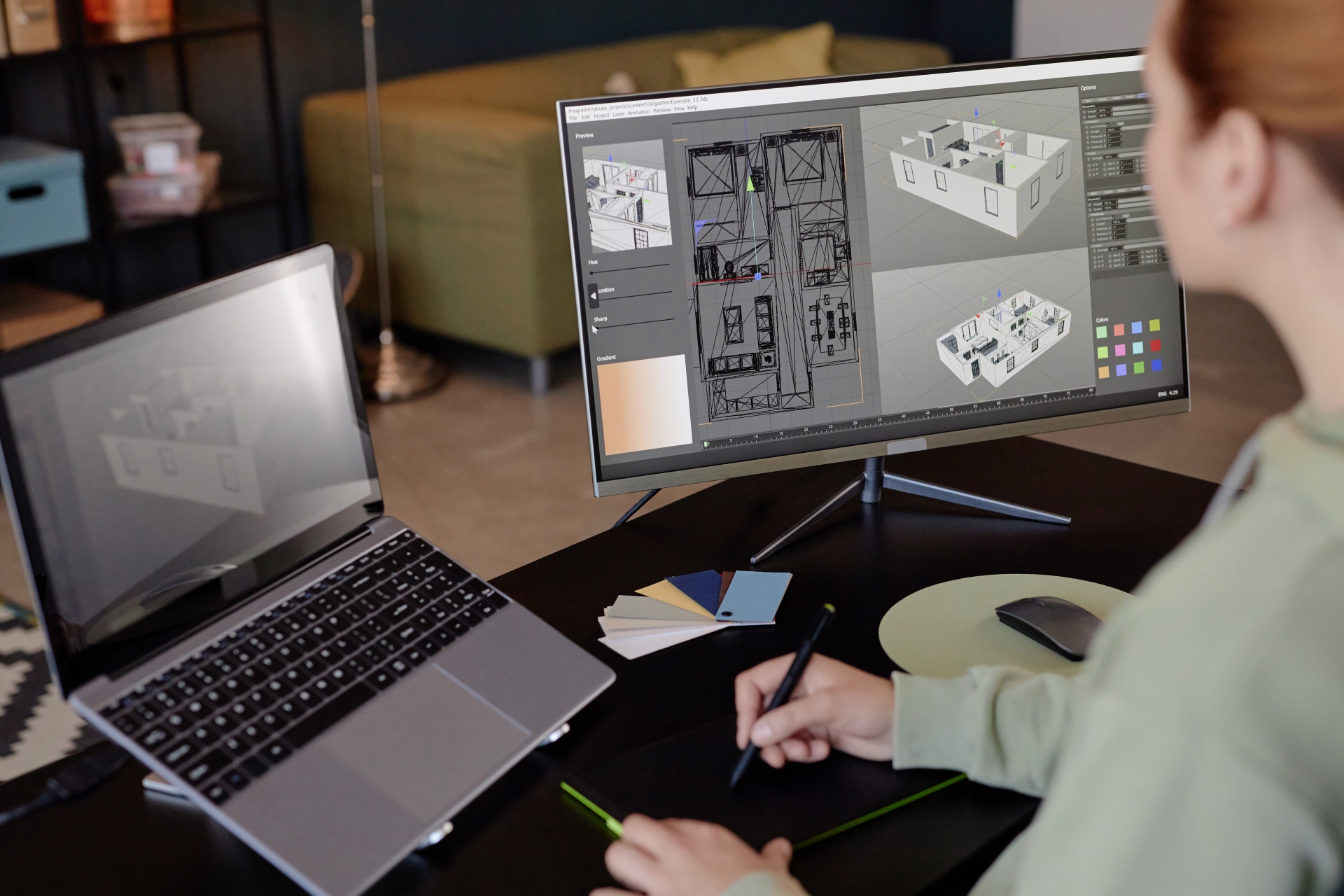
At the core of all these advancements lies the need for powerful and reliable 3D modeling software. Tools like SolidFace, with native 3D printing compatibility and cloud-based collaboration, enable engineering teams to design, iterate, and deploy solutions efficiently—whether for military or civilian projects.