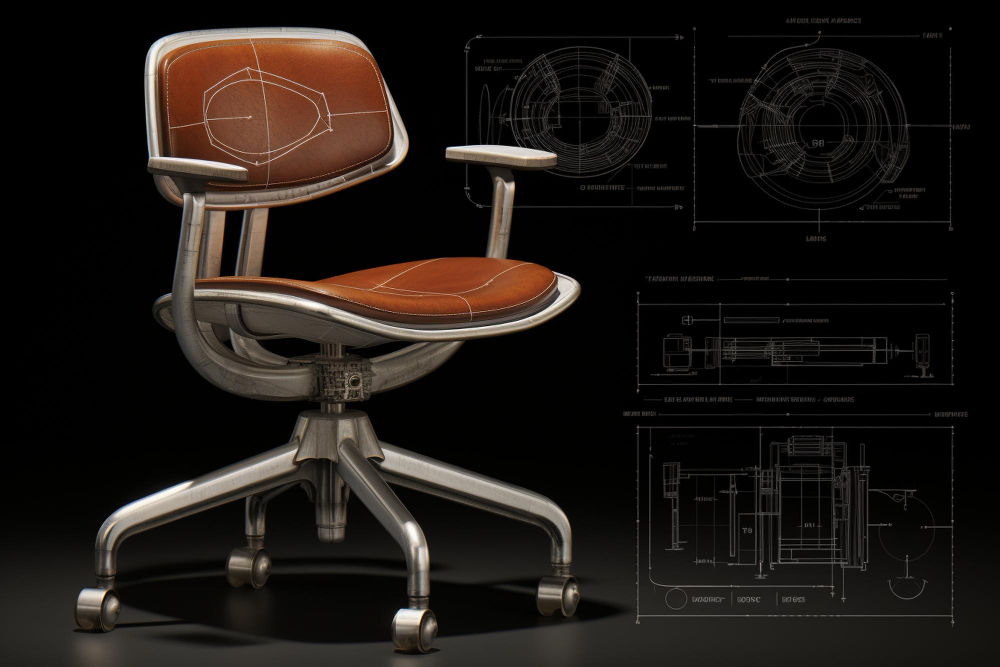
Parametric design is an approach based on rules, relationships, and variables that define how a design behaves when conditions change. Instead of modeling a fixed shape, the designer defines parameters that control geometry, dimensions, and constraints. When a parameter changes, the model updates accordingly, preserving design intent.
The concept originates in mathematics, where parametric equations describe systems through variables. In design and engineering, this idea translates into models that respond predictably to input changes, making it easier to explore variations, optimize performance, and manage complexity.
Parametric Systems in Design
Parametric modeling systems can generally be divided into two categories. The first includes propagation-based systems, where known values are used to calculate unknowns through rules and constraints. These systems are often used for form-finding, where the goal is to optimize a design against predefined criteria such as weight, strength, or material usage.
The second category includes constraint-based systems, which solve sets of relationships simultaneously. These approaches allow designers and engineers to maintain consistency across complex assemblies while preserving flexibility during iterations.
Parametric vs. Nonparametric Thinking
The distinction between parametric and nonparametric approaches is not limited to design. In statistics, parametric methods rely on assumptions about data distribution and are defined by a finite set of parameters. Nonparametric methods, on the other hand, make fewer assumptions and adapt directly to observed data.
Translated into design terms, a parametric model relies on predefined variables to describe behavior. A nonparametric model captures patterns directly from data, offering more flexibility but often requiring more information and computational effort. Both approaches have value, depending on the problem being solved.
Why Parameters Matter
Parameters allow designers to predict outcomes without rebuilding models from scratch. In a parametric model, knowing the parameters is enough to anticipate how the design will respond to changes. This makes parametric design especially valuable in engineering, where dimensions, tolerances, materials, and performance criteria constantly evolve during development.
Parametric Design in Architecture
In architecture, parametric design has become associated with complex geometries and contemporary aesthetics. Many schools and studios use parametric tools to explore forms that would be difficult to conceive manually. While this has expanded formal possibilities, it has also sparked debate.
Some critics argue that parametric design risks prioritizing visual complexity over function, context, and longevity. Others point out that when used responsibly, parametric tools help manage real constraints such as structure, environmental performance, and constructability.
Performance, Simulation, and Data
Beyond form-making, parametric design plays an important role in performance-driven design. Parameters can be linked to simulations for structure, energy efficiency, lighting, ventilation, and acoustics. This allows designers to test alternatives quickly and make informed decisions based on measurable outcomes.
However, fully integrated simulation remains a challenge. Many performance models still operate in isolation, and human behavior introduces variables that are difficult to predict. Parametric design is most effective when combined with reliable data and a clear understanding of its limitations.
Design Is More Than Algorithms
Parametric tools are powerful, but they do not replace critical thinking. Defining the right parameters is as important as manipulating them. Poorly chosen variables can oversimplify complex problems or distort design priorities.
The real strength of parametric design lies in its ability to structure complexity, support iteration, and connect design intent with measurable outcomes. When used with discipline, it becomes a problem-solving framework rather than a stylistic shortcut.
The Role of Modern 3D Modeling Tools
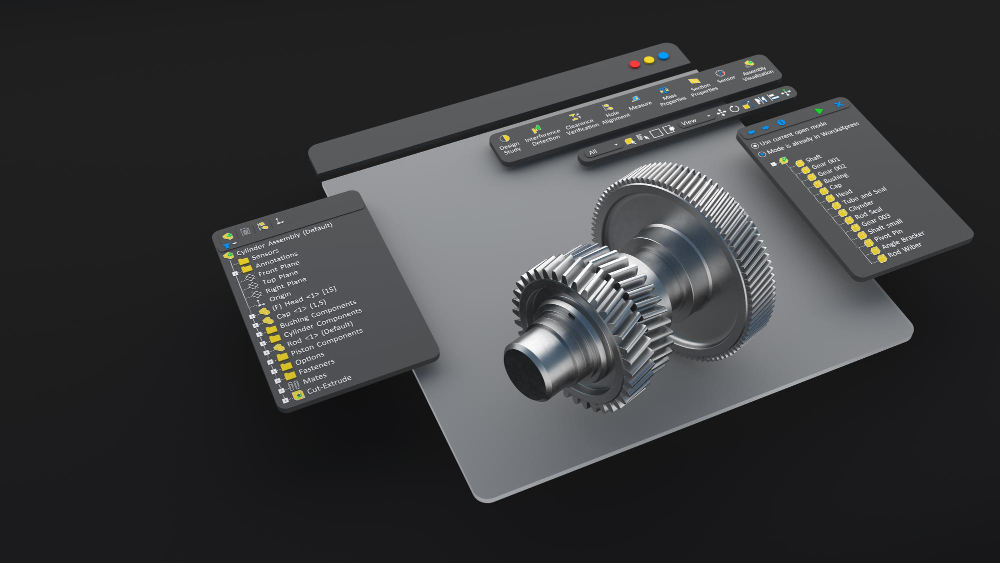
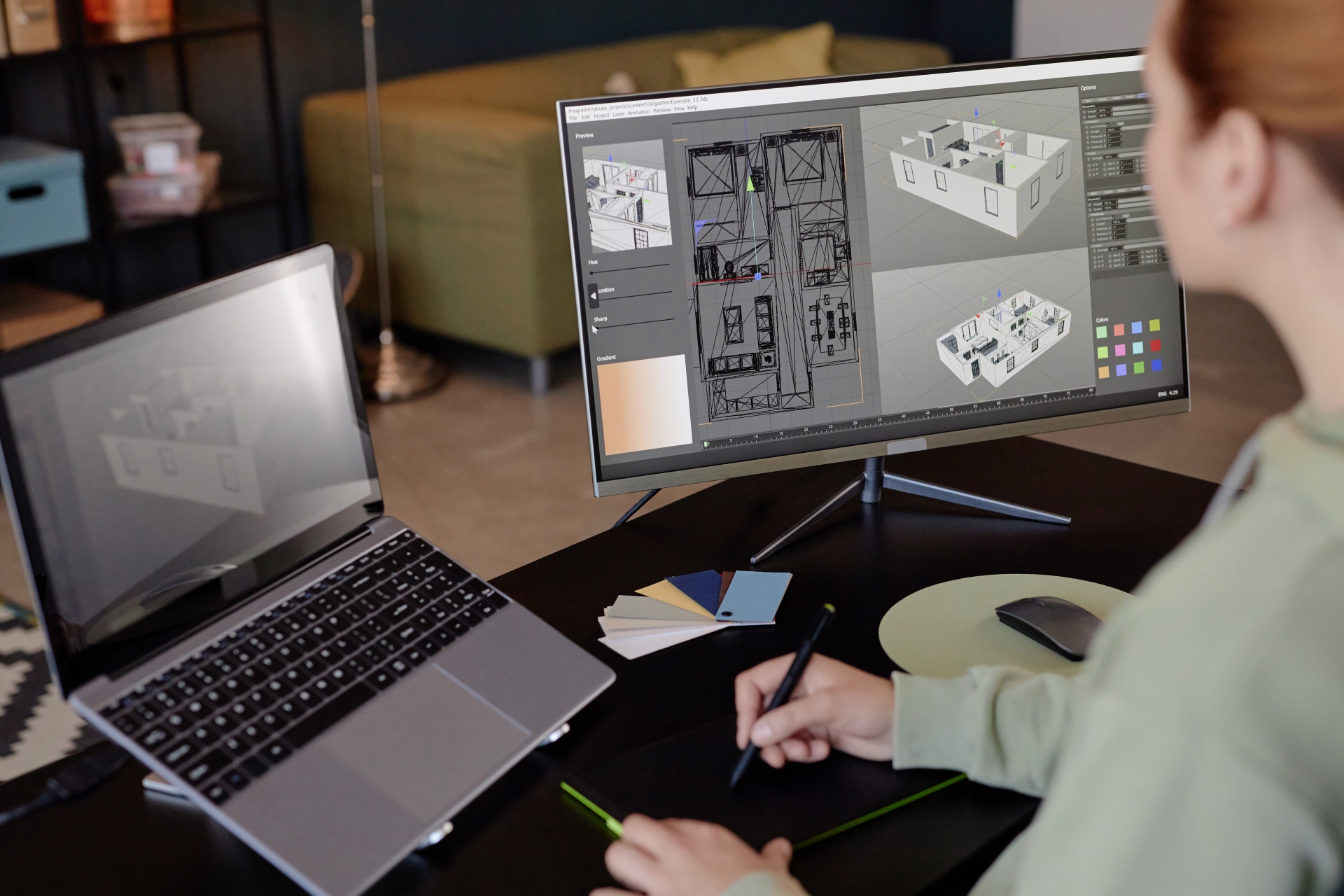
Parametric design depends on software capable of managing relationships, updates, and collaboration efficiently. Modern 3D CAD platforms allow engineers and designers to define parameters, test alternatives, and share models without losing control over versions or intent.
In this context, parametric modeling is not about creating unusual shapes, but about enabling better decisions throughout the design process — from concept to validation and production.
Final Thoughts
Parametric design is best understood as a way of thinking, not just a feature. It connects mathematics, engineering, architecture, and computation into a unified approach to managing change. When grounded in real constraints and supported by the right tools, parametric design becomes a powerful ally in creating efficient, adaptable, and well-informed solutions.