Before the rise of 3D printing, traditional manufacturing technologies such as lathes and milling machines dominated production workflows—often supported by CAD/CAM software. While effective, these methods were expensive, less flexible, and not easily accessible to everyone. To address these limitations, a new approach emerged: Additive Manufacturing, commonly known as 3D printing.
This technology was developed to democratize manufacturing, reduce costs, and enable the creation of highly complex and precise components. Today, 3D printing is widely adopted across high-standard industries such as healthcare, aerospace, and advanced engineering.
What Is 3D Printing / Additive Manufacturing?
3D printing is a fabrication process in which three-dimensional objects are built by adding material layer by layer, based on digital models. Contrary to popular belief, this technology is not new. Its origins date back to 1986, when Charles Hull introduced stereolithography (SLA), a process that uses a laser to cure photosensitive resin into solid structures.
The first commercially available fused deposition modeling (FDM) machine followed in 1992, marking the beginning of broader industrial adoption.
Materials and Uses in 3D Printing
3D printing supports a wide range of materials. Plastics, metals, and resins are the most commonly used, but other materials such as ceramics, wax, composites, and even biological materials are also part of modern additive manufacturing workflows.
In terms of application, 3D printers are primarily used for prototyping, production, and proof of concept. Additional uses include education, marketing samples, art, and research—demonstrating the versatility of the technology.
Main Types of 3D Printing Technologies
Several additive manufacturing processes coexist today, each suited to different requirements:
Fused Deposition Modeling (FDM/FFF) builds parts by depositing melted thermoplastic filament layer by layer. It is widely used due to its simplicity, low cost, and compatibility with functional prototyping and experimental applications, including pharmaceutical and textile research.
Selective Laser Sintering (SLS) is a powder-bed fusion process in which a laser fuses polymer, ceramic, or metal powders. It is commonly used for rapid prototyping, tooling, and end-use parts in industries such as aerospace and biomedical engineering.
Stereolithography (SLA) uses a laser to cure liquid resin into solid parts with very high surface quality and accuracy. Its applications range from jewelry and automotive components to medical devices and tissue engineering.
Staying Updated in the 3D Printing Industry
The additive manufacturing field evolves rapidly. Journals, industry conferences, expos, and professional challenges remain essential for staying informed about new materials, processes, and design strategies.
Events focused on additive manufacturing bring together engineers, researchers, and manufacturers to explore advances in design, simulation, automation, post-processing, and quality control.
The Role of CAD Software in 3D Printing
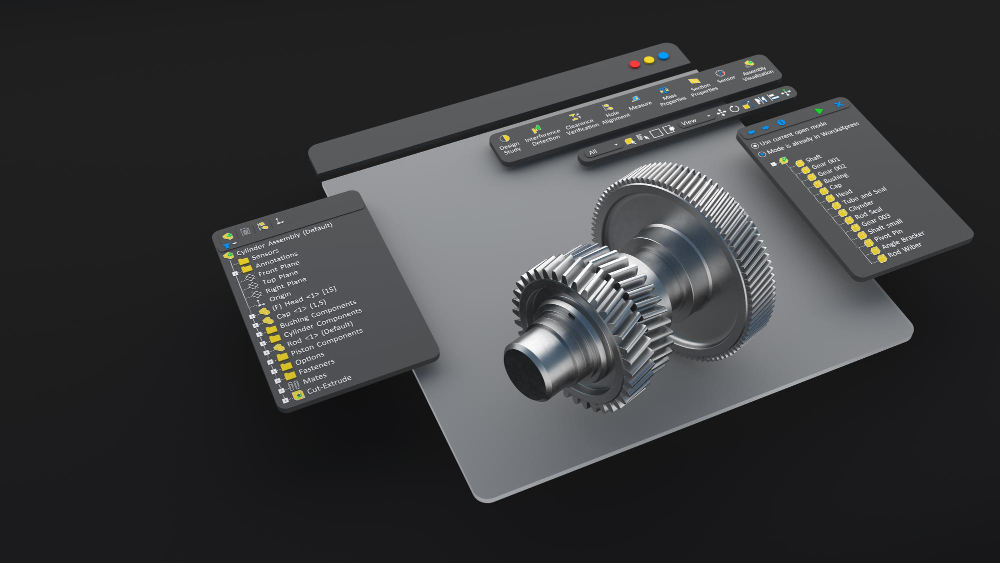
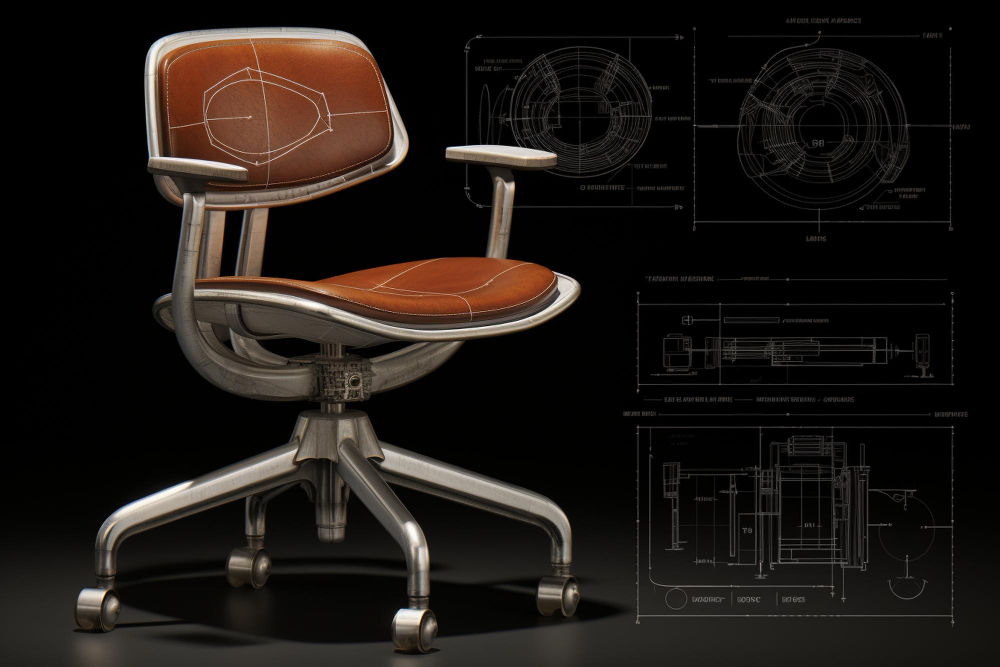
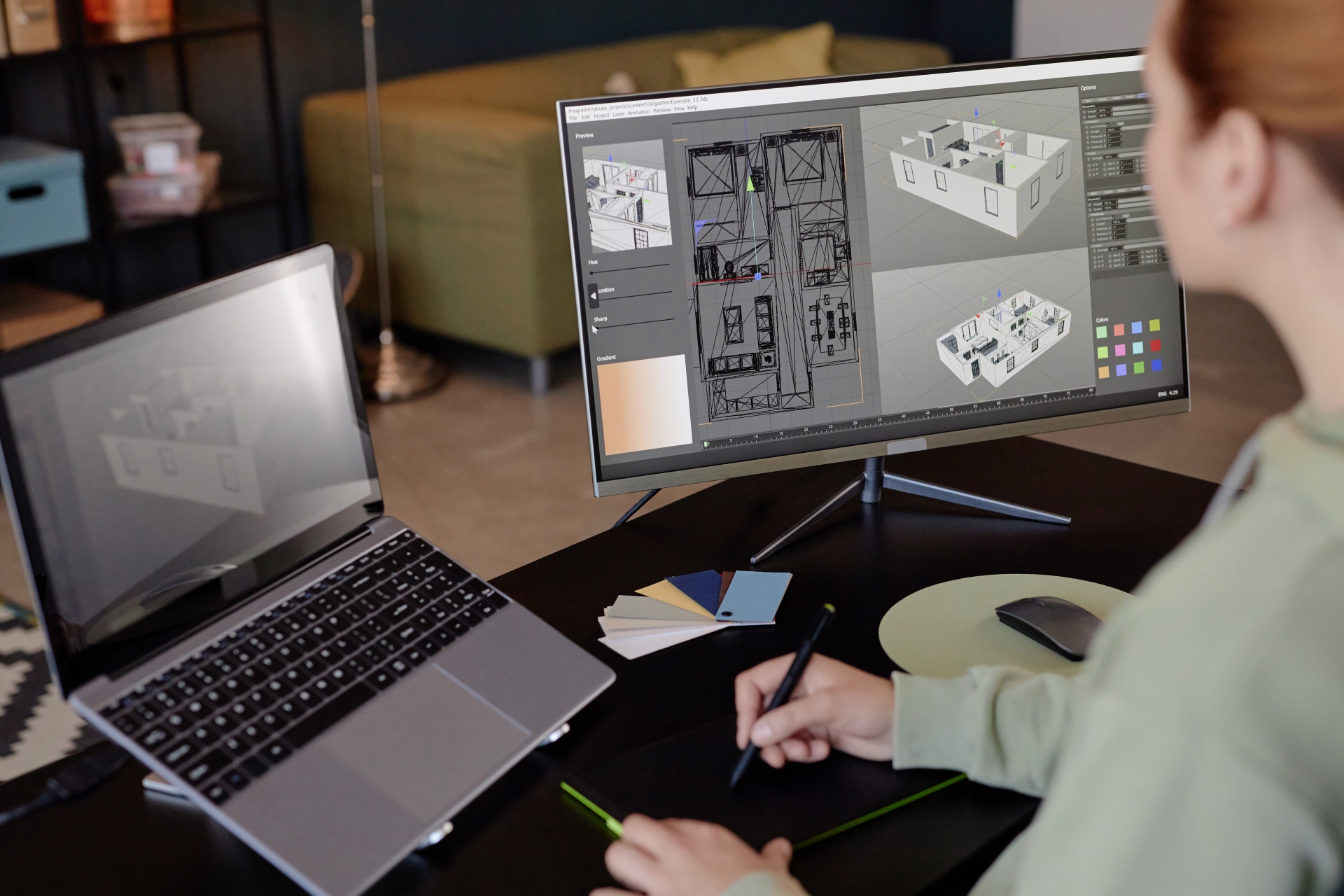
No additive manufacturing workflow is complete without robust 3D modeling and CAD software. CAD tools transform ideas into precise digital models that can be analyzed, optimized, and manufactured through 3D printing.
Modern CAD platforms must support complex geometries, interoperability, and collaboration. Solutions like SolidFace are designed to work seamlessly with additive manufacturing processes, enabling teams to design, validate, and iterate efficiently while collaborating in cloud-based environments.
As 3D printing continues to reshape manufacturing, the combination of advanced CAD tools and additive technologies will remain a cornerstone of innovation across industries.