3D modeling is a constantly evolving technology that has become increasingly accessible across industries. As the demand to design better products—whether for commercial, scientific, non-profit, or personal projects—continues to grow, professionals rely on 3D models to visualize ideas before committing to physical production.
From the film industry to advanced engineering, 3D modeling allows creators to analyze, validate, and refine their designs early in the process. This reduces risk, shortens development cycles, and avoids the high costs traditionally associated with physical prototyping.
What Is 3D Modeling?
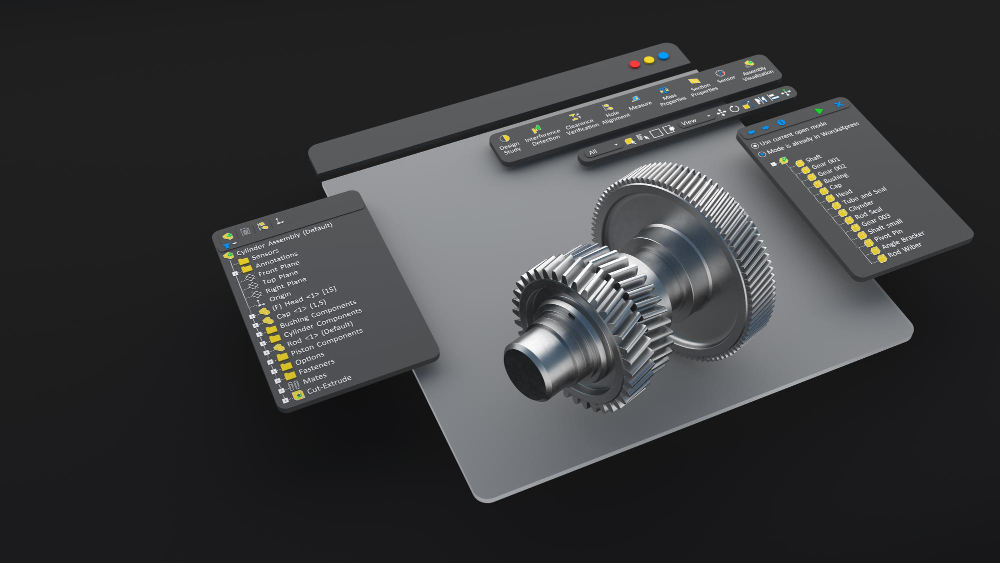
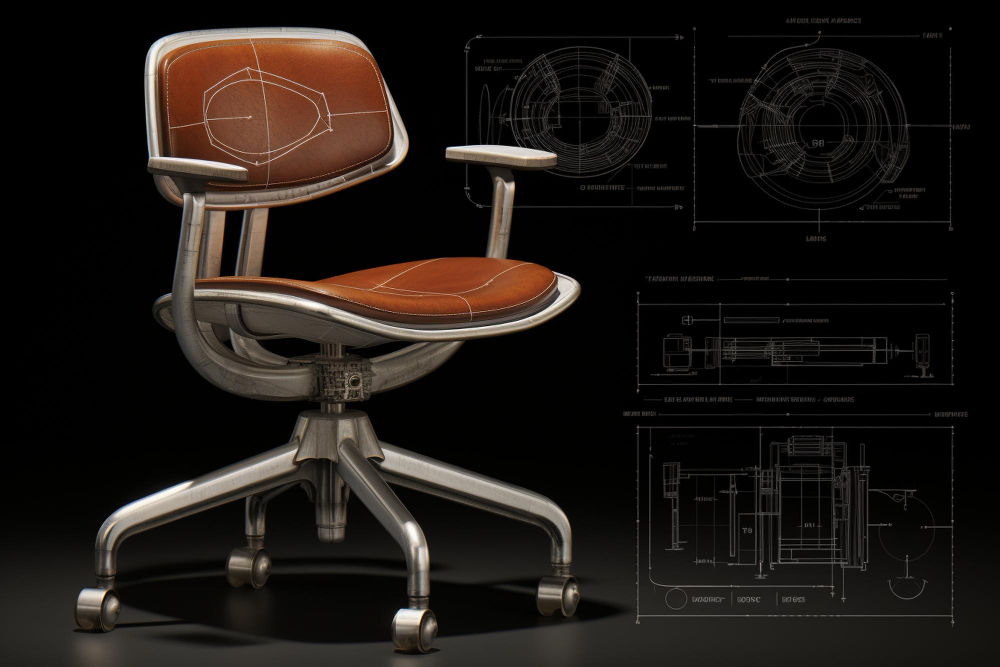
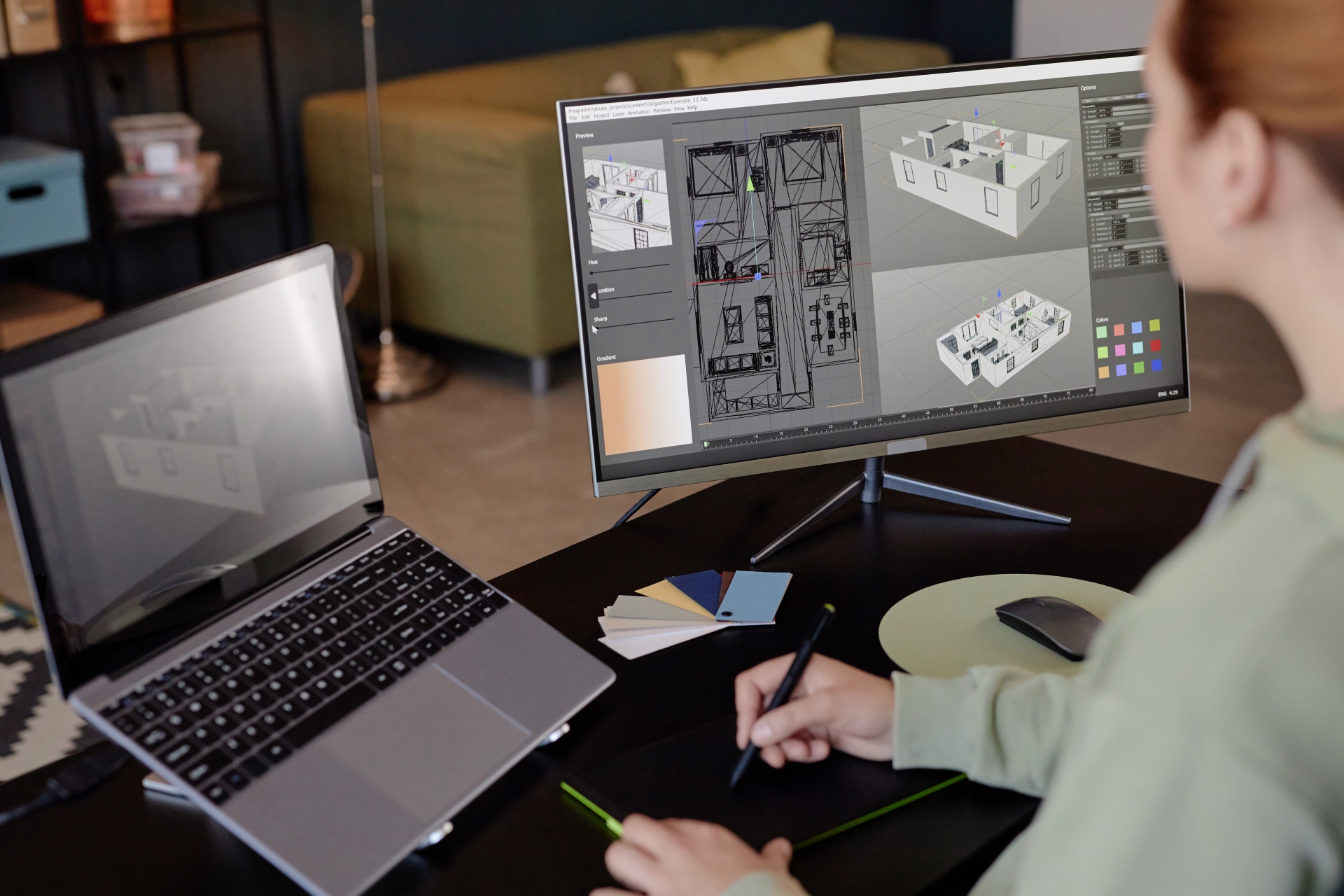
3D modeling is the process of creating a digital, three-dimensional representation of a physical object using specialized software. These models are built from mathematical definitions and can represent either solid bodies or surface-based shells.
The choice between solid and surface modeling depends on the intended application. Surface (or shell) models are commonly used for visualization-only purposes, such as in video games and animation. Solid models, on the other hand, are essential in engineering, where mass properties, material distribution, and structural behavior must be analyzed using CAD-based tools.
Applications of 3D Modeling Across Industries
3D modeling is used in virtually every industry today. In the arts and cultural heritage sector, initiatives such as digital sculpture archives allow historical artifacts to be visualized, studied, and even reproduced for educational or decorative purposes.
In the medical field, patient-specific 3D models derived from imaging data such as MRI or CT scans are used to study joints, organs, and anatomical structures. These models support simulations, including finite element analysis (FEA), and assist surgeons in planning complex procedures.
Engineering disciplines rely heavily on 3D modeling as part of daily workflows. Mechanical engineers use it to design components ranging from small fasteners to complete systems such as engines, vehicles, aircraft, and industrial machinery. In fields such as geology and mining, 3D models help visualize subsurface structures, supporting better decision-making in drilling and resource exploration.
Staying Informed About 3D Modeling Technologies
Because 3D modeling technologies evolve rapidly, staying informed is essential. Journals, professional magazines, conferences, and industry expos provide valuable insight into new tools, methods, and workflows.
Industry events focused on 3D visualization, simulation, and modeling allow professionals to experience emerging technologies firsthand and understand how they are applied across different sectors.
What Comes Next for 3D Modeling?
Historically, turning a digital model into a physical object required subtractive manufacturing processes such as drilling, milling, and cutting—often resulting in material waste. CNC automation improved efficiency, but still relied on material removal.
Today, additive manufacturing (3D printing) is redefining how digital models are materialized. Instead of removing material, objects are built layer by layer, enabling complex geometries and reducing waste. Despite this shift, the software foundation remains the same: accurate 3D modeling combined with powerful CAD tools.
As workflows continue to evolve, cloud-based CAD platforms are becoming increasingly important. They enable real-time collaboration, faster data exchange, and more efficient teamwork compared to traditional desktop-only solutions.
The Role of SolidFace in Modern 3D Modeling
Modern projects demand CAD solutions that combine performance, precision, and collaboration. SolidFace provides a robust environment for 3D modeling and CAD workflows, supporting complex geometries, engineering analysis, and seamless integration with manufacturing technologies such as 3D printing.
By enabling collaborative, cloud-ready workflows, SolidFace helps teams work more efficiently while maintaining the accuracy and quality required in professional engineering environments.