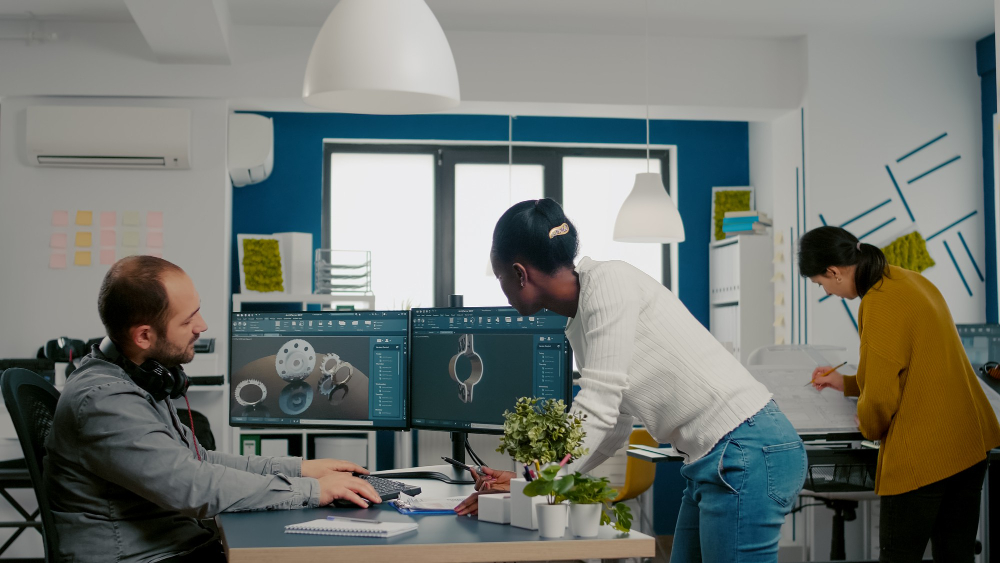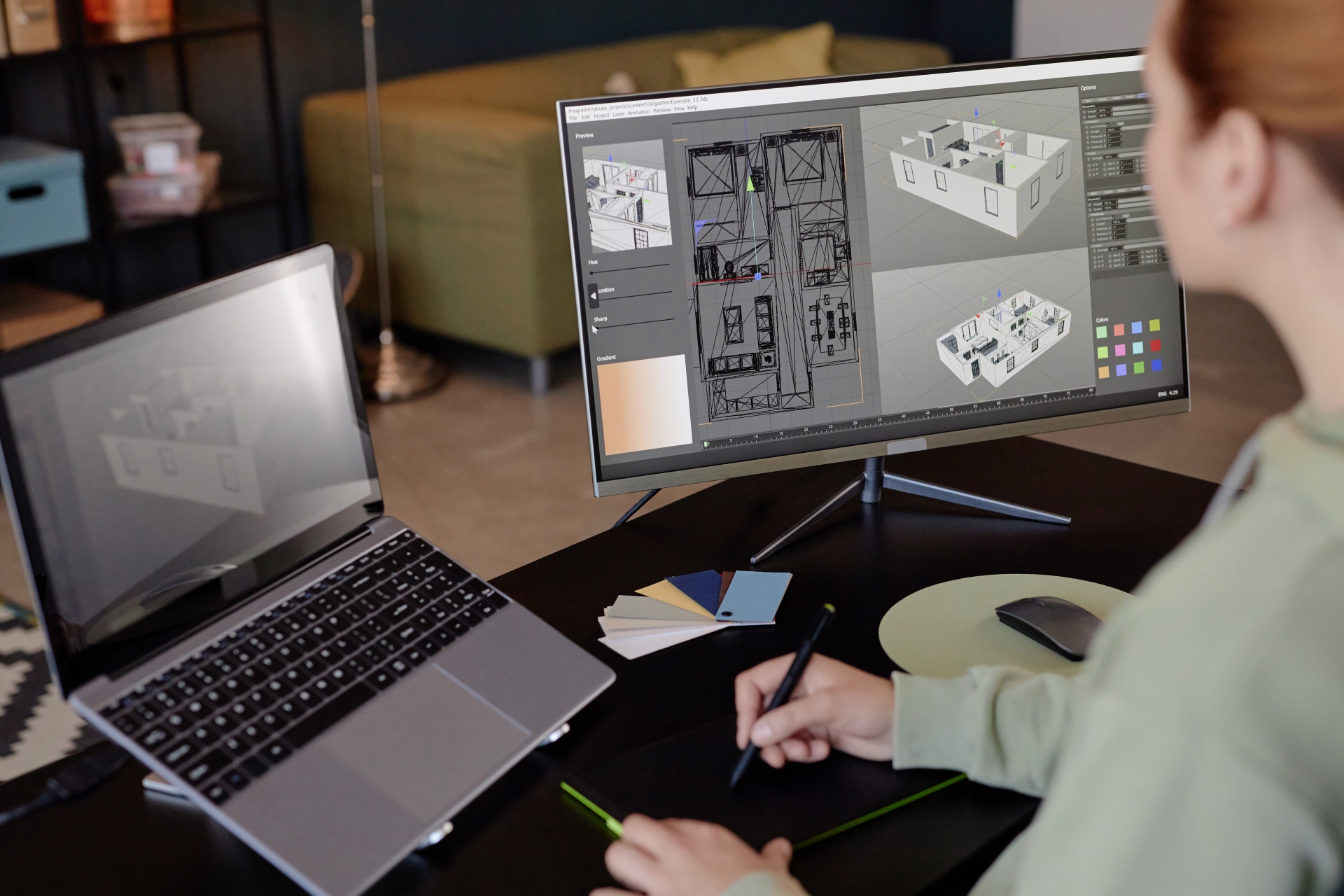
John and Miguel are fictional engineers created to illustrate the everyday challenges of designing products without collaborative 3D tools. Their story reflects the routine of countless professionals who rely on slow, traditional workflows in an increasingly competitive environment.
The First Outcome: Traditional Tools, Traditional Limitations
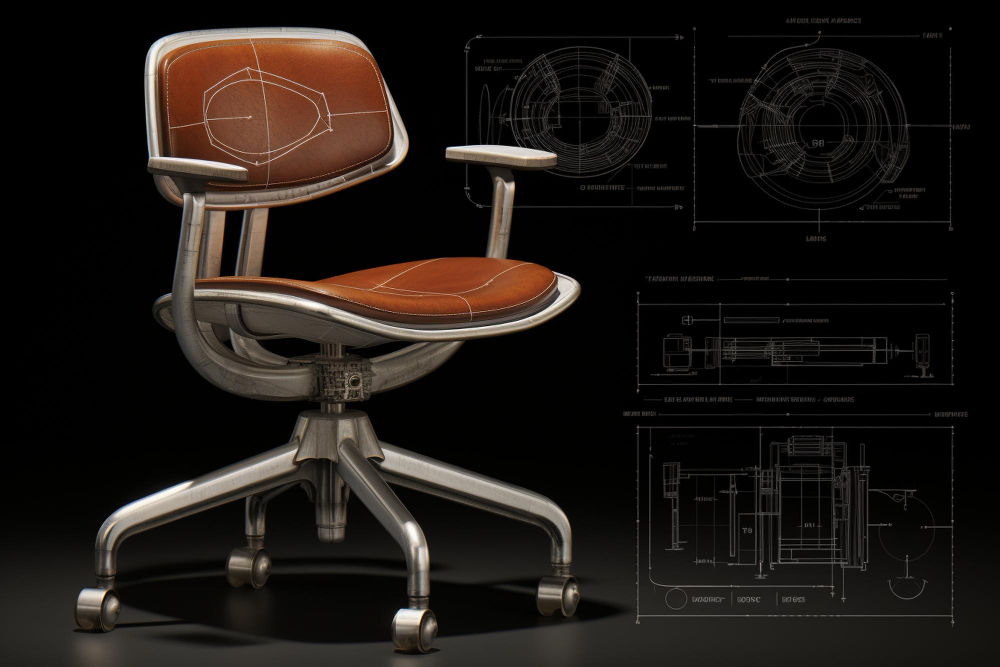
John specializes in ergonomic device design. His current project is a redesigned computer mouse case aimed at improving hand comfort and preventing long-term physical strain. To develop the concept, he uses an individual 3D CAD license costing over $2,500 per year and relies on external workshops, suppliers and specialists to fabricate prototypes.
After completing his initial 3D model, manufacturing the first physical version takes one or two weeks. Testing requires Miguel—who lives in another city—to travel so they can evaluate results together. The first prototype fails to meet expectations, and the cycle repeats four more times. The complete process takes approximately four to five months before reaching a commercial-ready design.
The Second Outcome: A Modern, Collaborative Approach
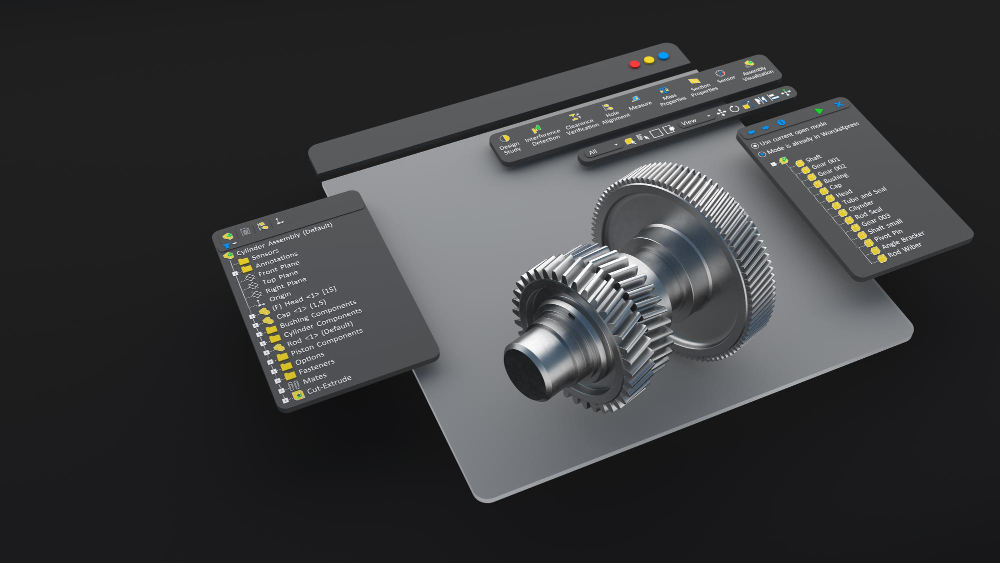
In an alternate workflow, John and Miguel choose SolidFace, a cloud-based collaborative 3D CAD platform. Both engineers work on the same model simultaneously, instantly seeing each other’s updates without exchanging files or risking outdated versions. According to industry data, an average person spends 11 hours a week on email, and interruptions can require over 20 minutes to regain focus—time SolidFace helps eliminate.
Rapid Iteration Through 3D Printing
Once the first improvements are made, each engineer 3D-prints the prototype locally. They test the model in parallel, propose changes immediately and avoid costly travel or long manufacturing queues. What previously took up to two weeks now takes only hours or a single day.
By combining collaborative modeling with rapid prototyping, the full redesign cycle drops from 4–5 months to roughly 1–2 weeks. They also save over $1,500 each by switching from two traditional individual CAD licenses to collaborative SolidFace licenses—with 3D printing compatibility included.
The Moral of the Story
John and Miguel’s first workflow represents how many engineers still operate: slow communication, expensive tools, file-handling risks and long iteration cycles. Their second workflow shows how small technological choices dramatically accelerate results.
Collaborative 3D modeling reduces interruptions, eliminates outdated-file issues, speeds decision-making and enables continuous focus—essential for producing high-quality designs. Although not all prototypes can be 3D-printed due to size or complexity limitations, every engineering project relies on 3D CAD modeling. SolidFace continues to enhance its platform to help individuals and teams reach excellence in every stage of their design process.