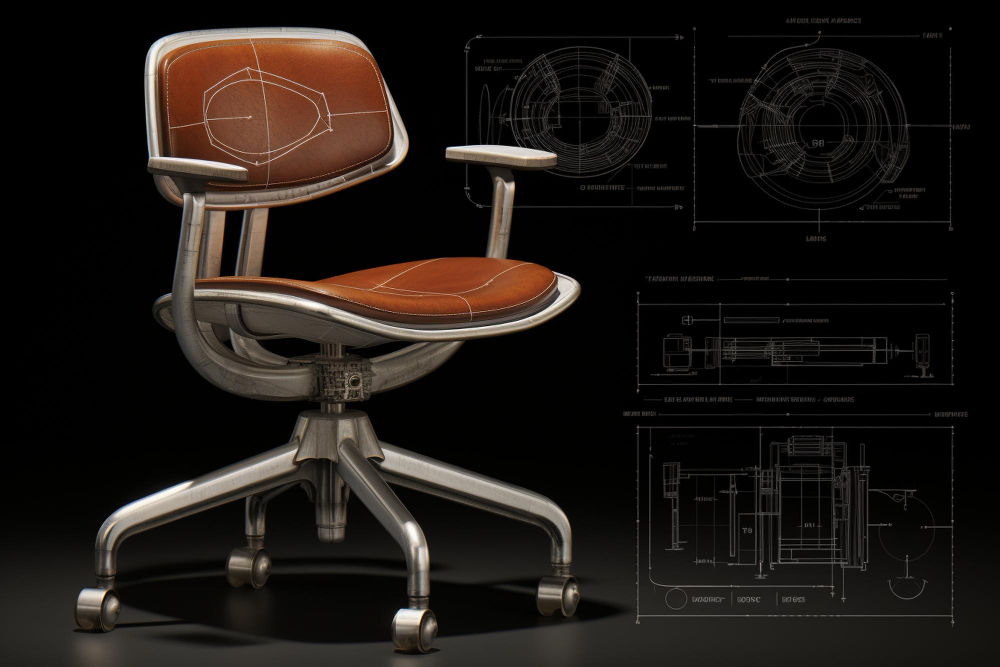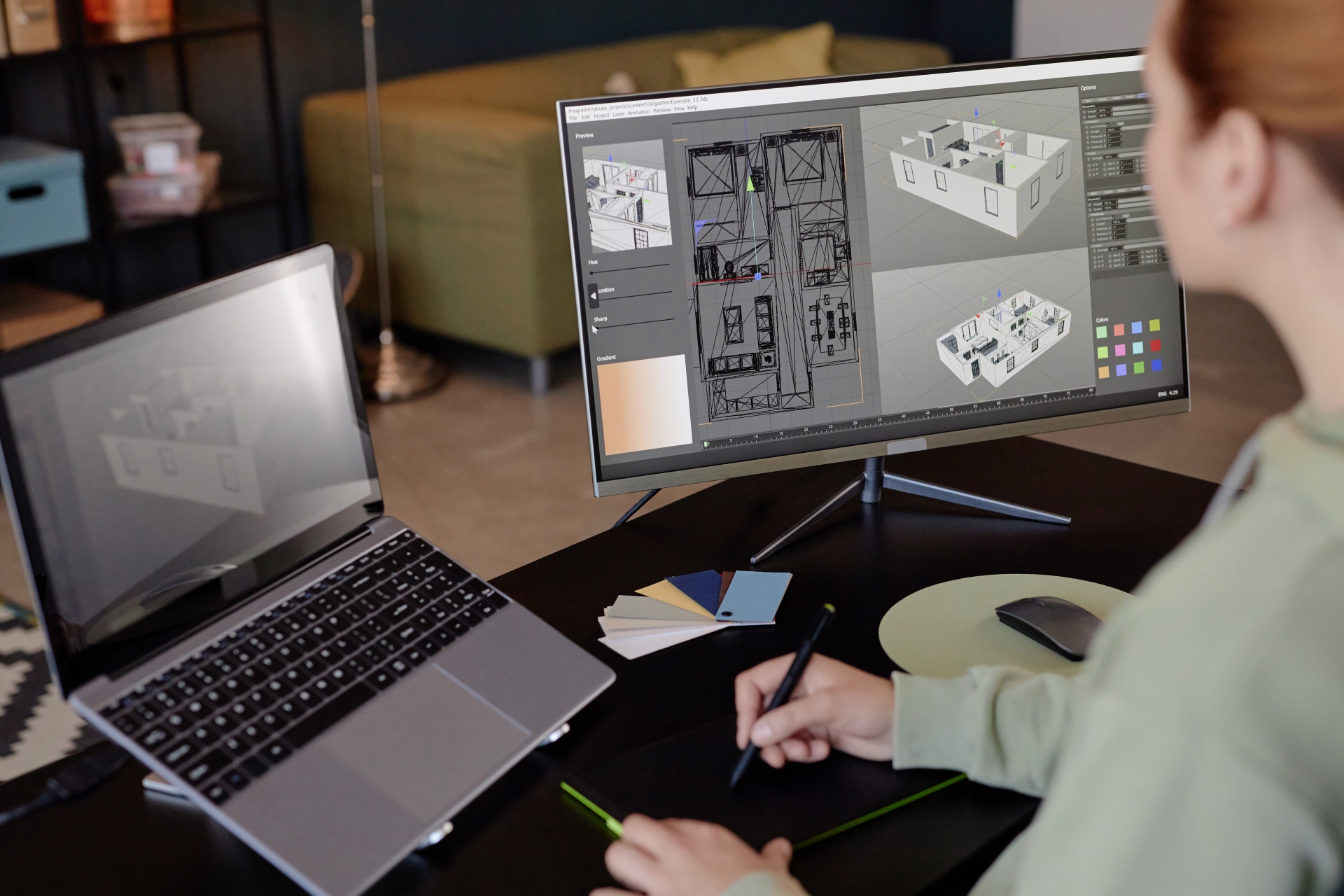
Thanks to advances in software, furniture has become an inseparable part of our daily lives, profoundly shaping our understanding of comfort and functionality. From chairs and sofas to tables, beds, desks, cupboards, and shelves, these essential pieces are so ingrained in our existence that it’s difficult to imagine life without them. Their ubiquitous presence extends beyond the home, integrated into nearly every modern facility we frequent, including airplanes, vehicles, caravans, hotels, and offices.
Fundamentally, furniture consists of objects meticulously designed to support a wide range of human activities. This includes providing surfaces for seating, eating, and working, as well as structures for sleeping, carrying loads, and storing belongings. Beyond their practical functions, furniture pieces also serve as vital aesthetic complements, enhancing the overall ambiance and character of the spaces they inhabit.
In contemporary society, the aesthetic value of furniture has grown paramount, often acting as a significant marker of class and sophistication among the affluent. A glance at the bespoke furnishings of a place like Buckingham Palace readily illustrates how exceptional design and craftsmanship can convey an unparalleled sense of luxury and status.
Archaeological research indicates that the concept of furniture dates back nearly 30,000 years. Throughout history, humans have ingeniously constructed, carved, and adapted available materials such as wood, stone, and animal bones to create items for comfort and utility. Historical evidence supports this, with notable examples including the Venus figurine sites in Russia, the well-preserved stone furniture of Skara Brae in Scotland, and the advanced joinery structures found in early ancient Egypt.
Further insights into early furniture can be drawn from the rudimentary, often improvised, forms we still encounter in natural settings. A tree stump, a flat rock, or even a moss-covered log can be spontaneously utilized as seating or a surface, reflecting an innate human impulse to modify our environment for comfort. Some of these natural elements have even been deliberately shaped to mimic more refined furniture pieces.
As you delve deeper into this article, you will gain a greater appreciation for the intricate process of furniture conceptualization. Moreover, you’ll understand the remarkable ease and efficiency that modern Furniture Design Software, such as SolidFace, brings to the creation of these beautiful and indispensable objects.
The Furniture Design Industry
The furniture industry encompasses a comprehensive lifecycle of activities, including the conceptualization, design, production, distribution, and sale of furniture for diverse environments. This includes pieces tailored for residential homes, commercial offices, educational institutions, businesses, and various other specialized settings.
While an extensive array of materials is employed in furniture manufacturing, including metals, plastics, rattan, fabrics, and even precious jewels, wood remains a primary choice. Its enduring popularity among practitioners stems from its relative affordability, widespread availability, and deep-rooted tradition, often leading to the terms “furniture-making” and “woodworking” being used interchangeably.
Traditional vs. Modern Furniture
Traditional Furniture typically refers to styles crafted before or during the early 20th century, characterized by classic aesthetics that, while perhaps considered “old-fashioned” by some, hold immense appeal for connoisseurs of classic design. These pieces were often designed for grand spaces, intended to be harmoniously integrated with elaborate artworks and opulent decor. They frequently feature custom-made structures, dynamic patterns, and intricate ornamentation, sometimes incorporating precious jewels, reflecting their original patronage by nobility and the wealthy elite.
Modern Styled Furniture, by contrast, is conceived with a distinctly different philosophy. Emphasizing elegance through simplicity, these designs feature clean lines—be they straight or gracefully curved—smooth textures, and immaculately polished surfaces. The focus shifts from heavy ornamentation to understated geometric forms. The objective is to achieve an uncompromisingly elegant piece, free from visual clutter, clashing colors, or disproportionate elements. Crucially, modern designs are often produced in commercial quantities and heavily leverage CAD software for precise design and modeling.
Trends in Modern Furniture Making
The core tenets of modern furniture design have catalyzed several influential trends within the industry, fundamentally reshaping how designers and manufacturers approach their craft. It’s worth noting that these philosophies, outlined below, draw partial reference from insights published in Forbes:
Technological-Driven Fur