Just like athletes rely on structured routines to reach top performance, engineers also benefit from disciplined, long-term training. Athletes plan their physical preparation, technique development, diet, and mental conditioning with daily, weekly, and yearly goals. Engineers can adopt the same mindset—developing a “3D training routine” to improve their technical and creative abilities over time.
What Athletes and Engineers Have in Common
High-performing athletes follow strict and consistent plans. Swimmer Michael Phelps once trained six hours a day and swam nearly 50 miles per week. Lionel Messi prioritizes agility and speed, while Elon Musk famously divides his days into highly structured cycles. The principle is always the same: intentional training produces exceptional results. Engineers can apply this concept to develop strong technical, analytical, and creative skills.
Key Skills to Train as an Engineer
Research
Fast and accurate research is essential. Developing the ability to filter valuable information, compare perspectives, and spot meaningful insights strengthens problem-solving and fuels innovation. Strong research habits prevent repetitive mistakes and enrich the entire team’s decision-making.
Communication
Clearly transmitting ideas prevents redesigns, errors, and wasted resources. Even experienced designers lose time when communication fails. For non-native English speakers, improving English skills is especially important, since global engineering collaboration and most software documentation—including SolidFace—use English as a standard.
Idea Generation
Creativity is not random; it can be trained. Structured methods, such as reframing problems, exploring cross-disciplinary perspectives, or applying guided brainstorming, help avoid stagnation in the design process. When existing knowledge doesn’t provide an answer, creativity techniques help unlock alternative solutions.
Strategic Rest
Athletes improve through rest, and engineers benefit from the same principle. Long work hours often lead to fatigue-related errors that cost time and money. Learning to pause, reset, and allow the mind to recover results in more accurate ideas and better long-term productivity.
3D Modeling Development
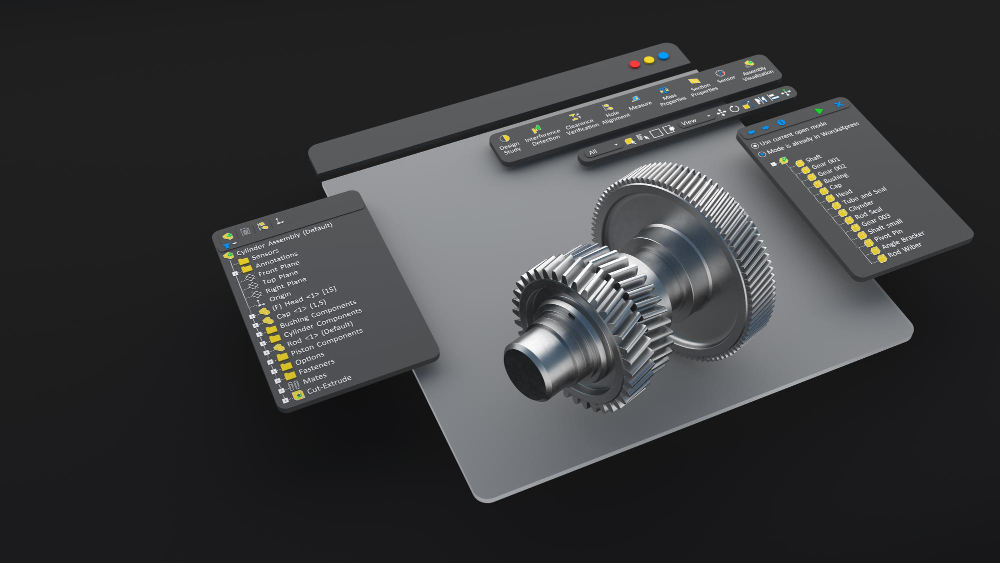
Skills with collaborative CAD tools require continuous practice. The more you train with your software, the faster and more efficiently you design. SolidFace provides an evolving learning library to help you stay sharp and explore new features, strengthening your modeling capabilities over time.
Final Thoughts
Don’t wait until creative or technical stagnation appears. Build a personal training routine—just like an athlete—to strengthen your engineering skills every day. Consistency enhances your readiness to face major project challenges, improves competitiveness, and helps you grow professionally at any age. SolidFace stands beside you as the modeling tool that evolves with your training.