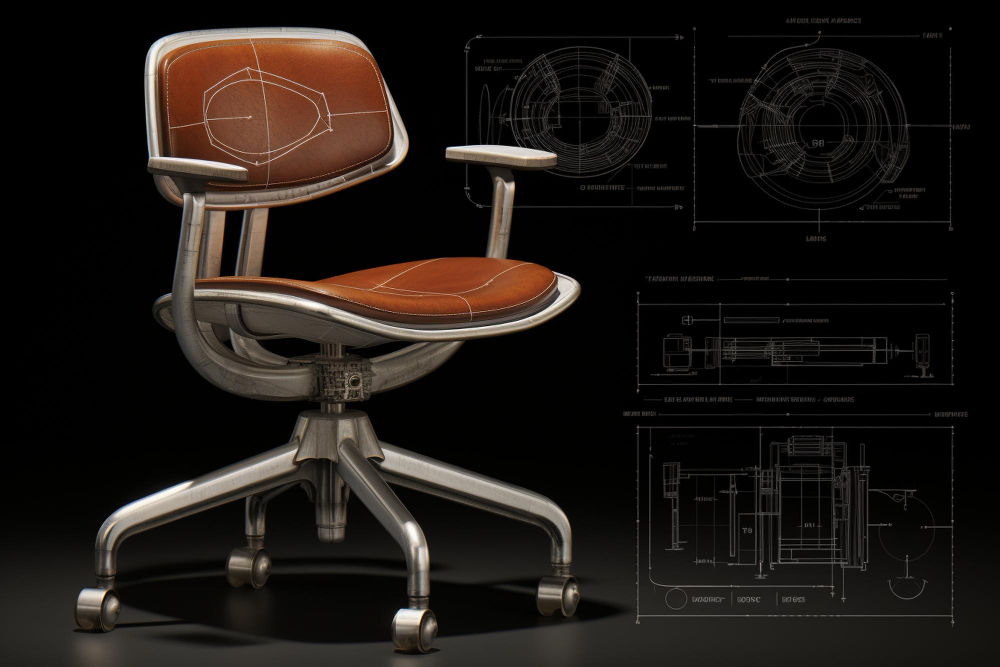
Engineers make decisions constantly, and choosing between aluminum and stainless steel in 3D manufacturing is a perfect example of this daily challenge. To make reliable decisions quickly, engineers rely on physical tools—such as precision measurement devices—and digital tools like modern 3D modeling software. The required level of precision varies widely: designing a microscope component demands much tighter tolerances than designing a suitcase, even if both must be high-quality products.
How to Pick the Right Material
The answer to “Which should I use: aluminum or stainless steel?” depends entirely on the purpose of the design. For lightweight applications, aluminum is the preferred option. When strength is more critical, stainless steel becomes the obvious choice. If both lightweight and strength are required, stainless steel parts can be optimized with strategic perforations. Aluminum offers high thermal conductivity, while stainless steel is the best option for corrosive environments. The process of questioning and comparing these requirements repeats throughout the design cycle, whether the project is a bicycle or a bulldozer.
The Decision-Making Parallel: Choosing Your 3D Modeling Software
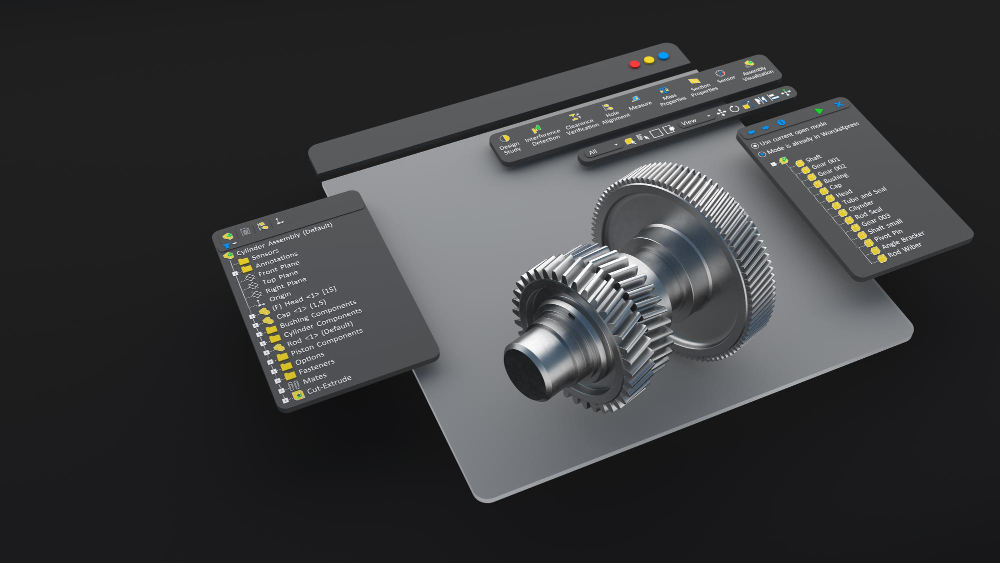
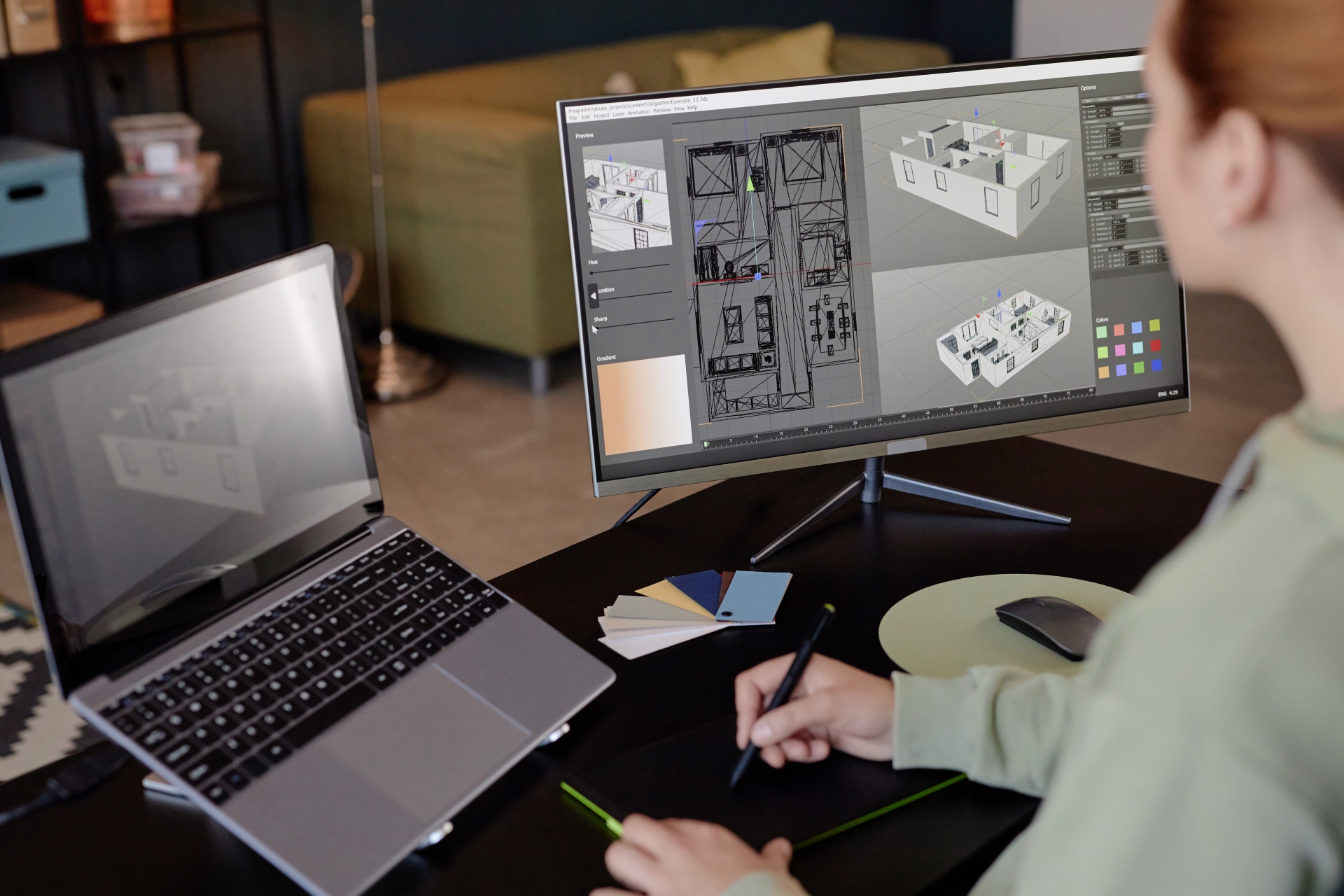
Selecting which material to use is not so different from choosing which CAD software to adopt. Engineers must understand the capabilities, constraints and cost of their tools. To simplify this decision, here are key features that any modern 3D modeling platform should provide.
Essential Features for 3D Manufacturing CAD Tools
3D printing compatibility is essential for rapid prototyping, allowing quick testing and iteration. Cloud-based collaboration ensures team members can instantly view and share models from anywhere. Parametric capabilities are critical for changing dimensions, testing alternatives and adapting to client revisions. Collaboration tools should enable simultaneous work on the same part while providing view-only access for clients and stakeholders. Efficient data management and a robust 3D part library help reduce errors, accelerate construction of assemblies and save both time and cost.
What Else Do You Need?
All the features listed above are essential for engineers searching for better, faster and more competitive design workflows. SolidFace includes these capabilities in a cloud-based collaborative environment that supports teams of all sizes. If your product has moving components—whether it’s a bicycle, cooler lid, suitcase or vehicle—SolidFace also offers motion simulations and collision tests integrated directly into the 3D workspace. These capabilities are included for a competitive monthly license cost, delivering one of the market’s best cost-benefit ratios.
Final Thoughts
Choosing between aluminum and stainless steel requires clear goals and technical understanding—and selecting your 3D modeling software follows the same logic. You can evaluate SolidFace through a free trial and confirm that it provides the adaptability, speed and efficiency required to stay competitive. Today’s market moves quickly; delaying necessary improvements to your workflow may slow your team down while others advance. Adopting SolidFace ensures you have the modern tools needed to maintain your pace and outperform competitors in your industry.